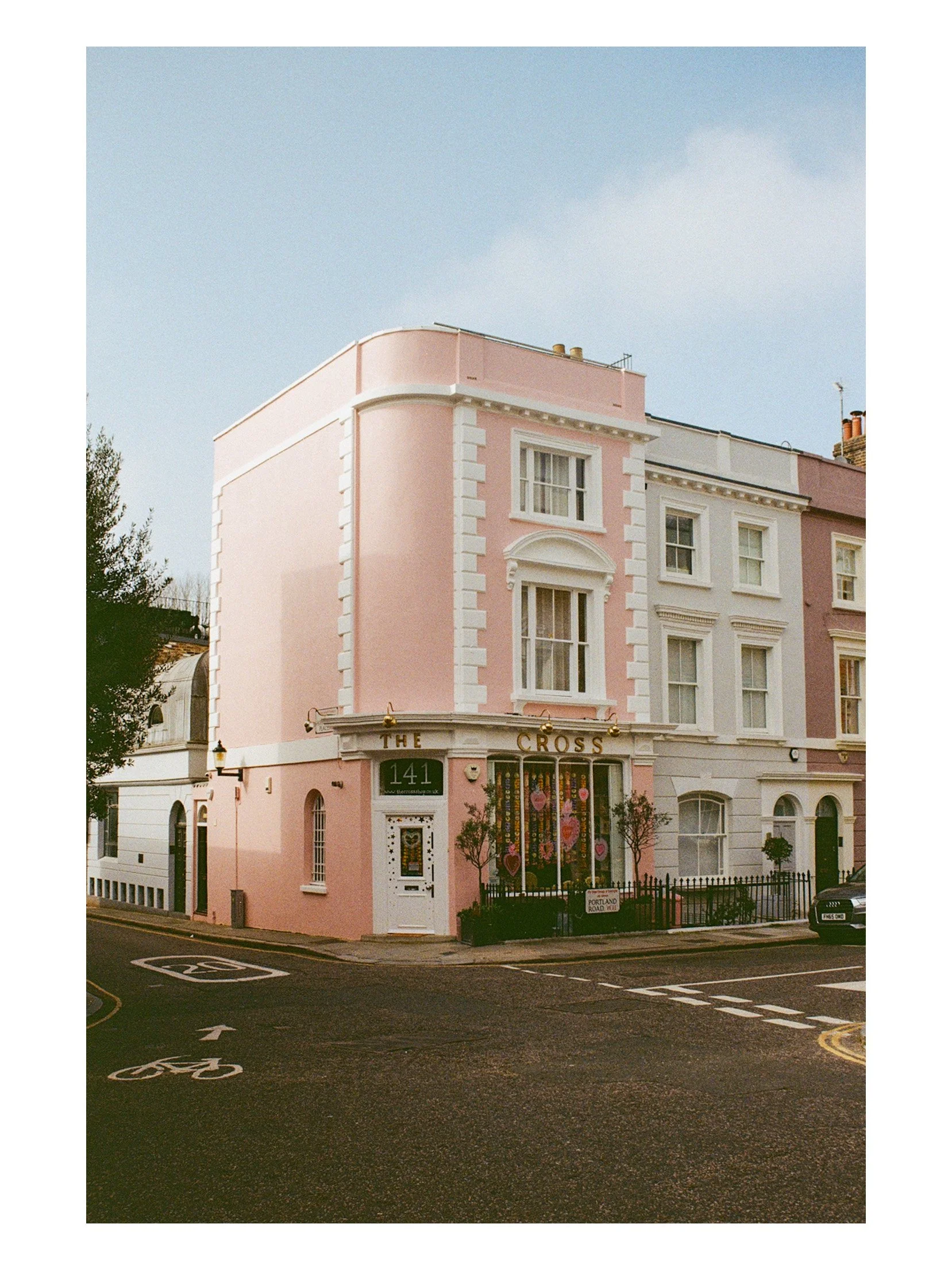
The Joy of Film Photography
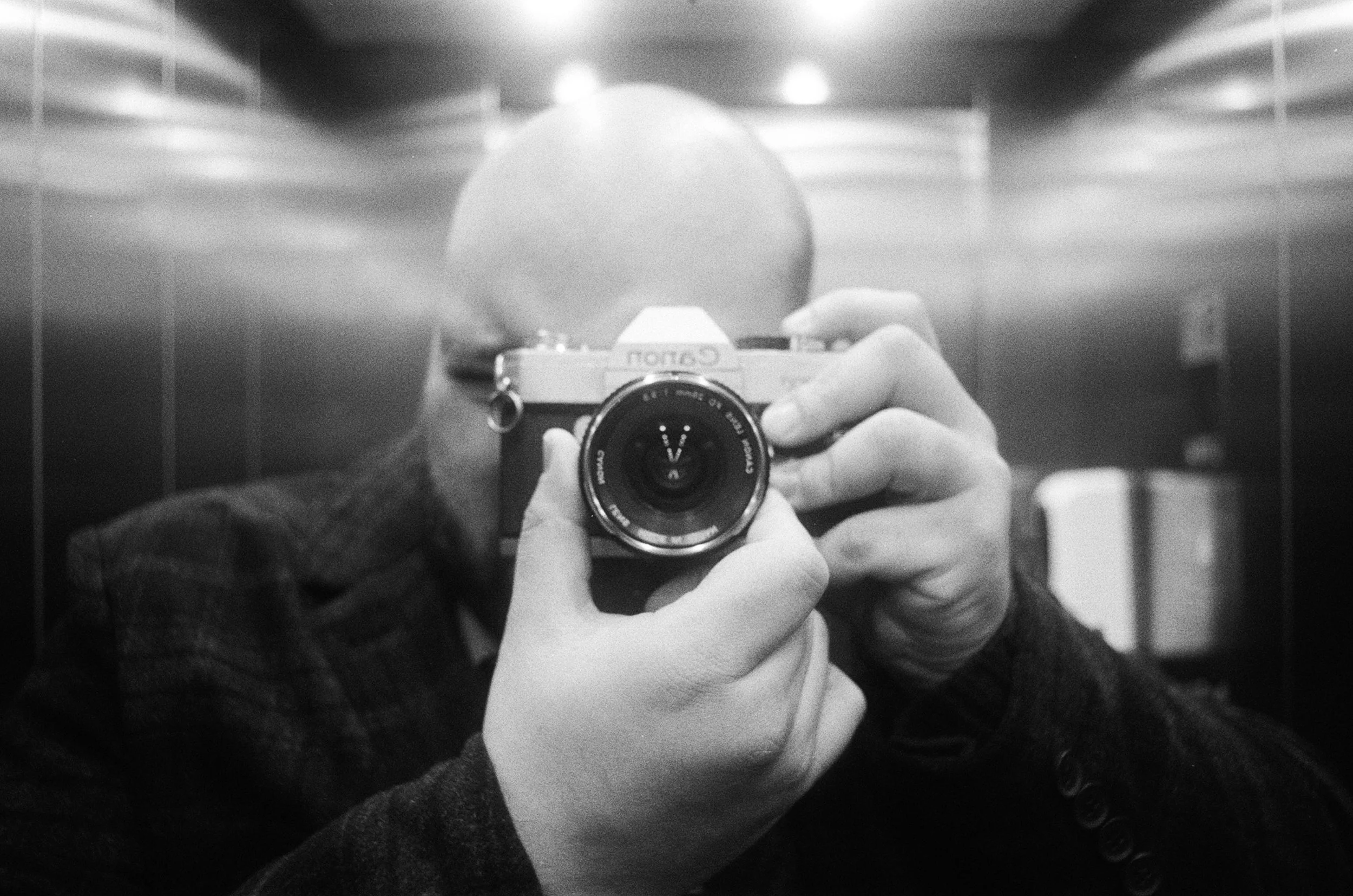
My love and enjoyment of photography have only grown year on year. One of the main driving factors for me personally has been the widespread re-adoption of film photography. Much like the vinyl revolution, film photography has seemingly risen from the dead and is now more popular than ever.
My introduction to film photography started like that of most people my age: looking through binders of photos that belonged to my mother or having brief and faded memories of wind-up disposable cameras. Looking back at 35mm film photos of me as a child has built memories of events or places that I am not even sure I actually remember.
The texture and tone of these photos bring life to those places in a way that digital photographs just don’t—and not in some pretentious, “It looks better,” kind of way. In most ways, it looks worse, but the hyper-detail of high-end cameras or smartphones, to me at least, is just not reflective of how people actually view the world or hold memories.
When I remember a time, place or person, not everything is clear. The details are blurry, and the further away I get from that memory, the less clear it becomes. In a way, to me, film photographs do the same thing. They capture a moment in time in a format that will degrade over time and change in the way it looks.
They present a changing world, a changing life.
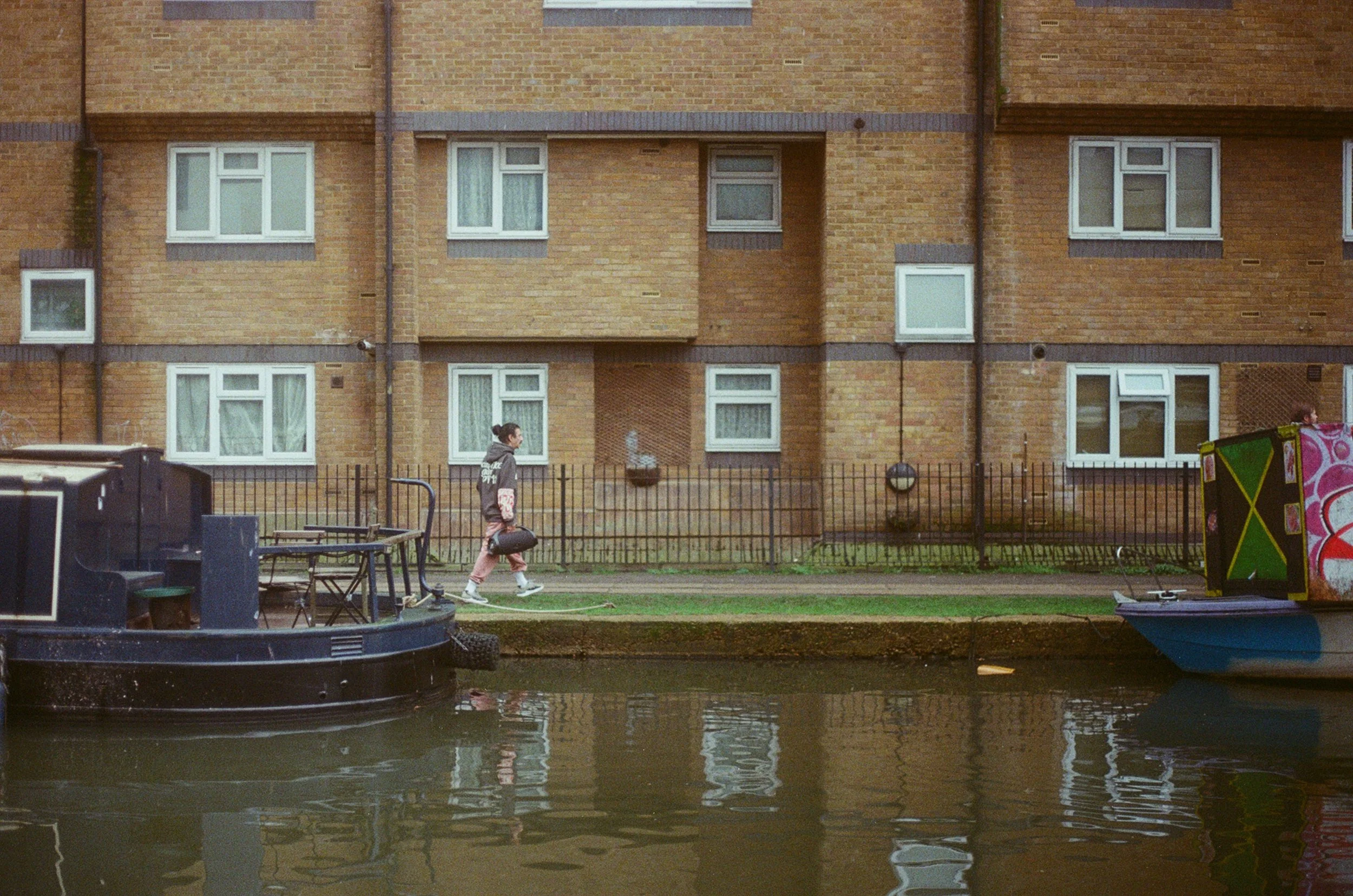
My first film camera was given to me by my mother after she returned from Zambia for my grandfather’s funeral in 2013. The camera, as well as a few different lenses, was among the things he left behind.
I had already shown an interest in film and photography and was on my way to finishing my first year of university, studying film production, so my mother thought it would be a good idea to bring the camera back and pass it on to me.
The camera was a 1966 Canon FTQL and it was heavy, well-built and tickled the parts of my brain that love tactile feedback. The levers and knobs made loud sounds when turned, and the shutter made a beautiful sound every time the shutter release was pressed.
My mother told me that my grandfather had used this camera to take photos of her and her sisters when they were younger. So, more than a camera, in a way, it was an object that connected me to my grandfather—someone I had only spent time with until I left Zambia in 1998 and only saw again in 2005 before he passed away in 2013.
It was a physical connection to a person—to my grandfather.
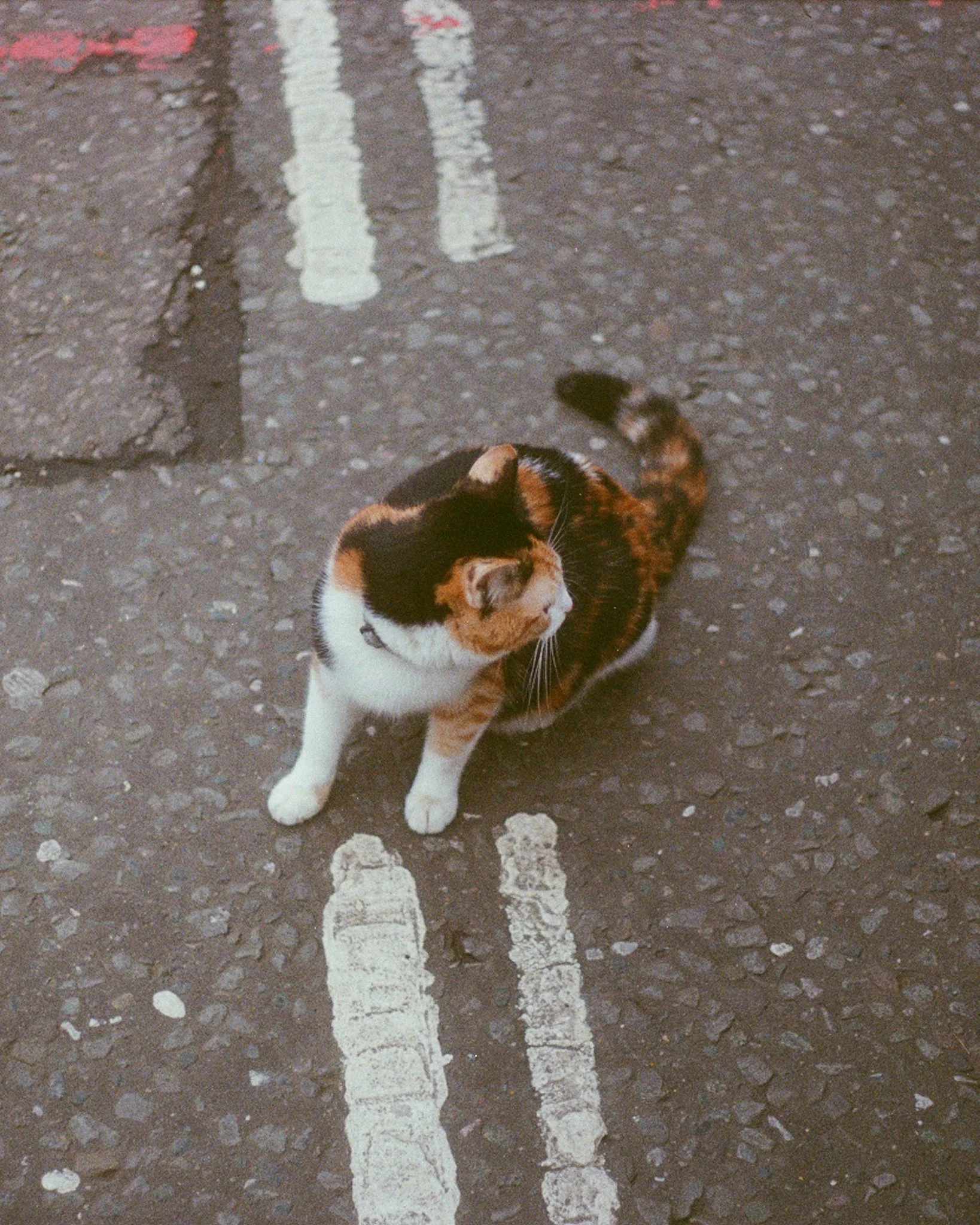
I took some time to clean the dust and dirt from the camera, looked up manuals to understand what all the dials and buttons did, and then bought some inexpensive black-and-white film.
It took me a while to get that first roll of film developed, and by the time I did, I had forgotten what I had taken photos of. This is one of my favourite things about film as a medium: a roll of film can sit in my camera for a month, and I get the experience of taking the photos and discovering moments in real time, and then I get to experience them all over again when I see the developed photos for the first time.
That’s what I meant when I said that, to me, they capture a moment in time. A digital camera does the same thing, but I am a lot looser and freer when taking photos.
I think about each photo less. With film, every press of the shutter release is one press closer to the end of the 36-exposure roll of film, one step closer to the end of my photo day out (if I have no other film), and that means something to me.
It means that even the photos that were out of focus or poorly framed are important to me. I can’t just pick another one of the 50 photos of the same subject that was in focus.
Film teaches a hard lesson: if I miss the shot, it is gone. There is no fail-safe, and I like that for personal work. It gives me stronger ownership of each photograph.
I had been using my grandfather’s film camera for many years, with its manual focus and broken light meter requiring me to use an app on my phone to get the correct exposure.
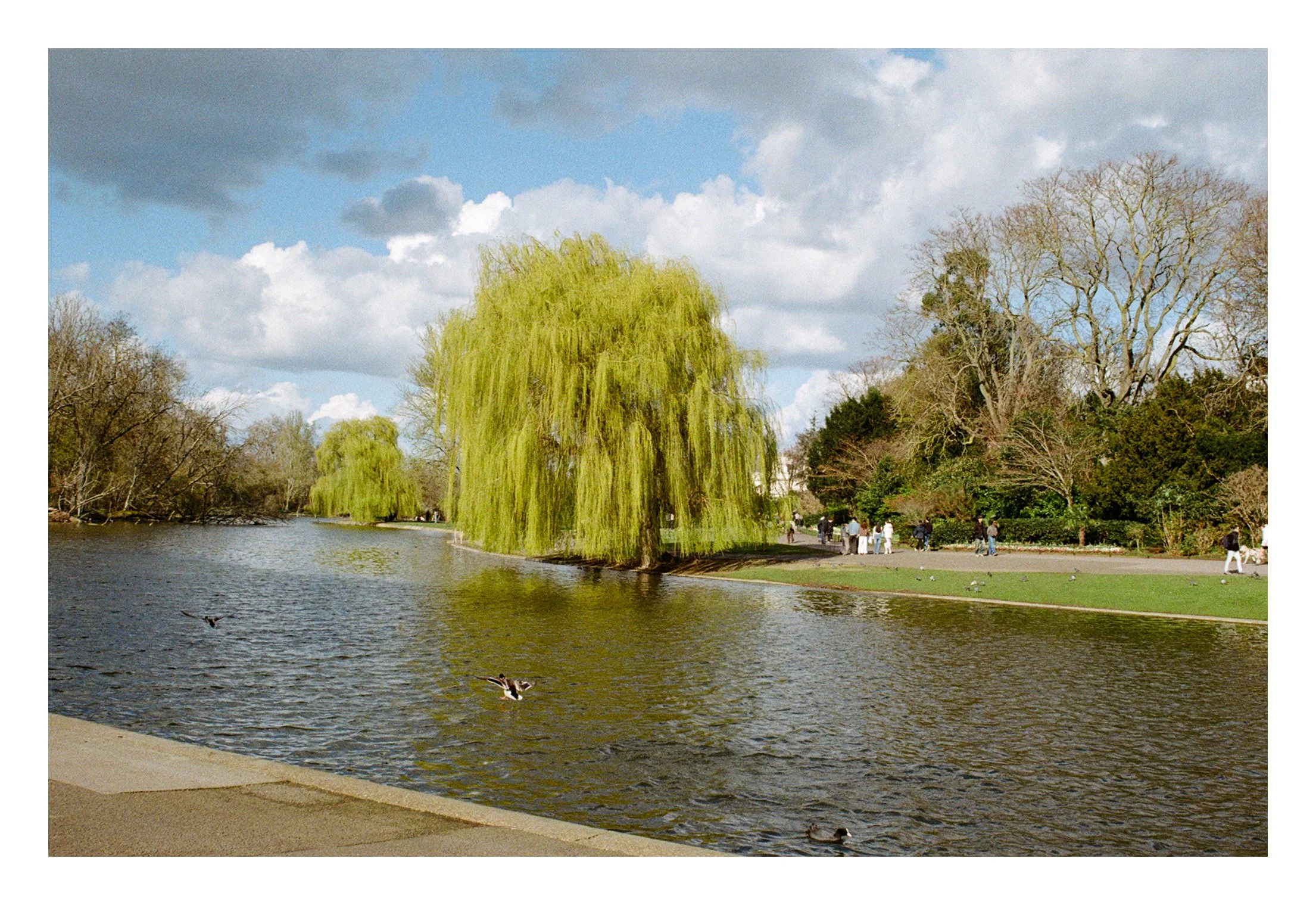
In early 2026, I decided it was time to upgrade from my 1961 camera to something a bit more modern, with amazing, cutting-edge features like autofocus, a digital light meter and a self-winding film reel.
That’s right, I have officially reached the mid-90s of film photography. I bought a used Canon 500N and a cheap 35–70mm EF zoom lens from eBay for a combined price of £20 (including delivery).
With this, I had truly entered a new age. Focus and exposure have become less of an issue, and I still get some of the same feelings I got with the older camera.
The camera weighs less and is easy to carry, meaning that the burden of carrying it around is less, so I can keep it in my bag and forget it is there until there is a moment I want to capture.
Adding film photography has made this hobby a hobby again, made it feel less like work, and made me feel like I am learning photography again.
It has made me feel connected to my grandfather and more connected to my own photography.